
Why Columbus Churches Are Turning to Boutique Property Management Services for Affordable Housing
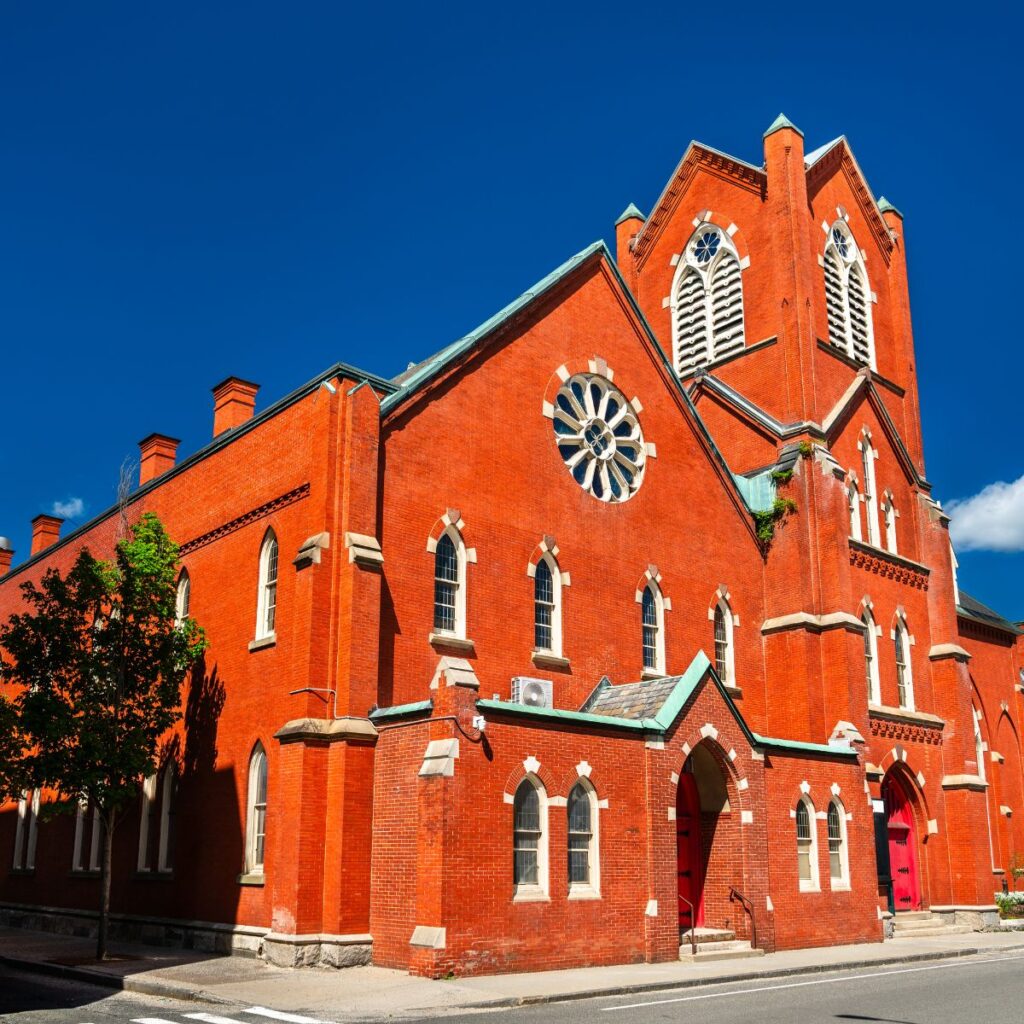
Nobody asked Columbus churches to solve the housing crisis. But somewhere between watching their neighborhoods change and staring at acres of underused parking lots, a lot of them decided to try.
In February 2026, Columbus City Council voted unanimously to approve the YIGBY Columbus pilot program, as we noted in our last blog. And as a recap, YIGBY stands for “Yes In God’s Backyard,” and the name says it all: faith institutions opening their own land to affordable housing development.
More than 60 congregations had already raised their hands before the vote, representing over 1,000 parcels of Franklin County land sitting mostly idle. The city is easing their entry into housing with streamlined zoning and permitting and built-in technical assistance. The help is important as most denominations lack housing development and management experience.
These faith developers will thrive best with experienced partners who can provide a full slate of property management services or who can allow them to pick and choose exactly the services they need. The latter option is where boutique property management services come in.
Boutique property management services are small, specialized firms that handle a limited portfolio of properties with a more hands-on, personalized approach than large-scale management companies.
In our last blog, we covered what faith leaders need to know before diving into affordable housing development. But in this one, we’re talking about what’s actually happening right now in Columbus.
The Columbus Housing Crisis, Street by Street
The macro numbers are eye-opening: a million new residents projected by 2050, rents climbing faster than wages, a housing supply that can’t keep up with even current demand, contributing to homelessness, housing instability, and a host of related issues.
Faith-based organizations can help change this dynamic. A church that’s been in Linden since the 1970s isn’t an outside developer parachuting in. It’s a neighbor. One that knows and respects the community. One that wants to serve people well. That’s a real advantage that conventional developers simply don’t have.
The challenge is that knowing your neighborhood and knowing how to run compliant, financially stable, affordable housing can be two completely different skill sets.
How YIGBY Columbus Works (And What Churches Are Actually Being Asked to Do)
YIGBY slots congregations into Columbus’s existing nonprofit housing development Ohio ecosystem in a specific role:
Land partner, not developer.
That’s actually a manageable role for most churches. Bring the land. Bring the community relationships. Let experienced parties handle the development mechanics.
Here’s what that division of responsibility typically looks like:
- The congregation contributes the land, community trust, and long-term mission alignment
- The developer manages financing, construction, and regulatory compliance
- The property management firm handles day-to-day operations, resident relations, and ongoing compliance. And the developer and property manager can sometimes be the same entity.
Two Columbus projects illustrate what the model looks like when it works.
Trinity Baptist Church on the near east side is leasing land to National Church Residences for The Scarborough, an income-restricted development for seniors 62 and older. The deal involved HUD funds, 4% LIHTC Columbus, Ohio financing through the Ohio Housing Finance Agency, and city bond money.
Corban Commons, on the northeast side, brought together three faith-based organizations (Dayspring Christian Development Corporation, New Salem Baptist Church, and Mt. Hermon Baptist Church) to build affordable senior housing before anyone called it a movement. It worked because the operational infrastructure matched the ambition.
Under YIGBY, Columbus aspires to replicate these success stories across dozens of sites at once.
What “Faith-Based Property Management” Actually Means
This phrase gets used loosely. Here’s what it should mean in practice.
A congregation that builds affordable housing for its neighbors isn’t just buying a property management service. It’s retaining a partner who will have direct contact with its community for as long as the next 30 years.
Clearly, who and how a property is managed matters a great deal to residents. People who end up in affordable housing have often had a difficult stretch. They need a landlord who answers the phone, fixes what’s broken, and consistently treats them respectfully and thoughtfully. That’s the baseline. Again, sometimes even the best comprehensive property management companies can’t meet all these needs – and that is where boutique services can fill the gap.
What that looks like day-to-day:
- Maintenance requests get answered and tracked
- Lease renewals get flagged before they lapse
- Problems get caught before they become inspection failures
- Residents are treated as neighbors, not units
For a congregation that built this project because it cares about its community, that level of attentiveness isn’t a bonus feature.
It’s the whole point.
The Community Reinvestment Housing Columbus Opportunity Is Moving Fast
Before YIGBY, community reinvestment housing in Columbus depended heavily on relationships and luck. A congregation with the right developer contact and a patient lender might pull something together. Most didn’t, because the path from “we have land” to “we have a project” was too long and too uncertain.
But with more emphasis and the City’s new initiative, more of these deals can be inked.
Is Your Congregation Exploring YIGBY? Here’s What to Look for in a Property Management Partner
If your church is considering YIGBY participation, the property management conversation should start earlier than most people think. Here are the questions worth asking:
- Do they have experience with LIHTC and HUD-regulated properties?
- Can they demonstrate that they’ve achieved resident retention and satisfaction in similar portfolios?
- Do they understand what faith-based housing development is built to accomplish?
- Can they offer personalized services so that they actually know your residents?
- What does their compliance and inspection track record look like?
Again, checking all the right boxes may take more than just one firm, or it may mean selecting key services to supplement the management systems already in place. Columbus faith organizations enter this mission wanting to build trust and create a positive impact. The communities that have respected them for generations will know the difference between a management partner that gets it and one that doesn’t.
Dan Winter
CEO, Maximizing Outcomes LLC